The AI Model Program
A model who never misses a shoot
Brands that want a person in their product photography have to book one, then book the same one again for every new scene. We design the person instead, and she shows up identical every time.
The challenge
Putting a person in your product photography means hiring one. That is a booking, a day, a location, a photographer, and a set of images that all came out of the same afternoon in the same light. The next campaign needs the same face somewhere else, so the whole thing gets scheduled again, or the brand uses whoever is available that month and the audience never learns whose face belongs to the product.
The expensive part is not the photograph. It is the repeat.
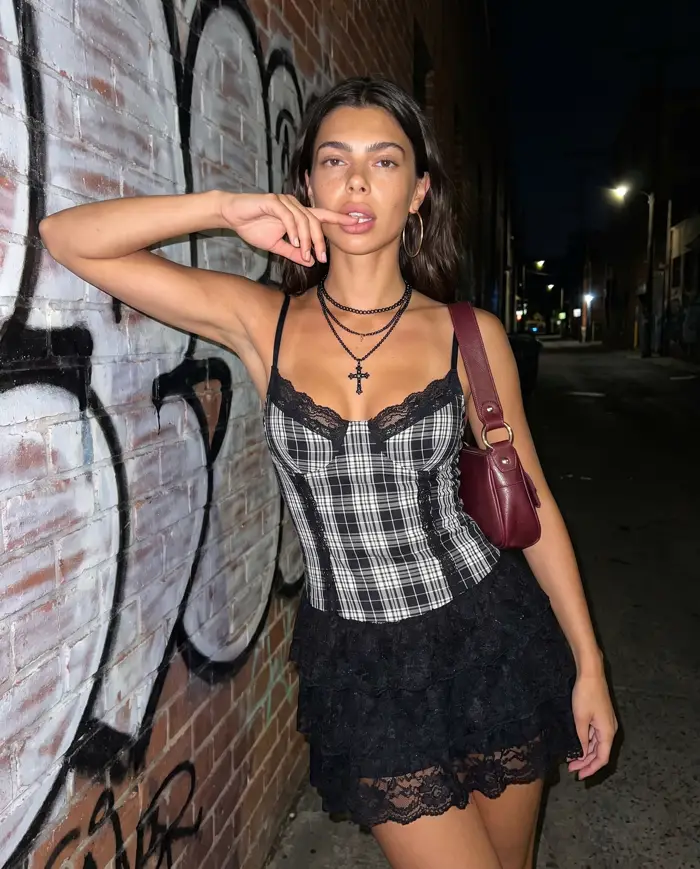
A face people recognise is worth more than any single image, andrecognition is built by seeing the same person over months, in scenes that have nothing to do with each other: at the gym on Tuesday, in a bookstore on Sunday, on the street at night.
Getting that out of booked shoots means either one enormous day of wardrobechanges or a standing arrangement with a working model, and both cost more than most brands spend on photography in a year.
Stock imagery fails for the opposite reason. It is available and it is cheap, and it shows a different person every time, which is the one thing a brand cannot afford if it wants anybody to remember the face at all.
What we built
It starts with the buyer, not the model. Before anything is designed, we work out the ICP of the product: who actually buys it, where they live, and what their day looks like. That research decides the person. A supplement bought by people who train at six in the morning does not want the same face as a candle bought by people who read in bed, and the difference shows up in age, build, styling, wardrobe and the rooms she is photographed in.
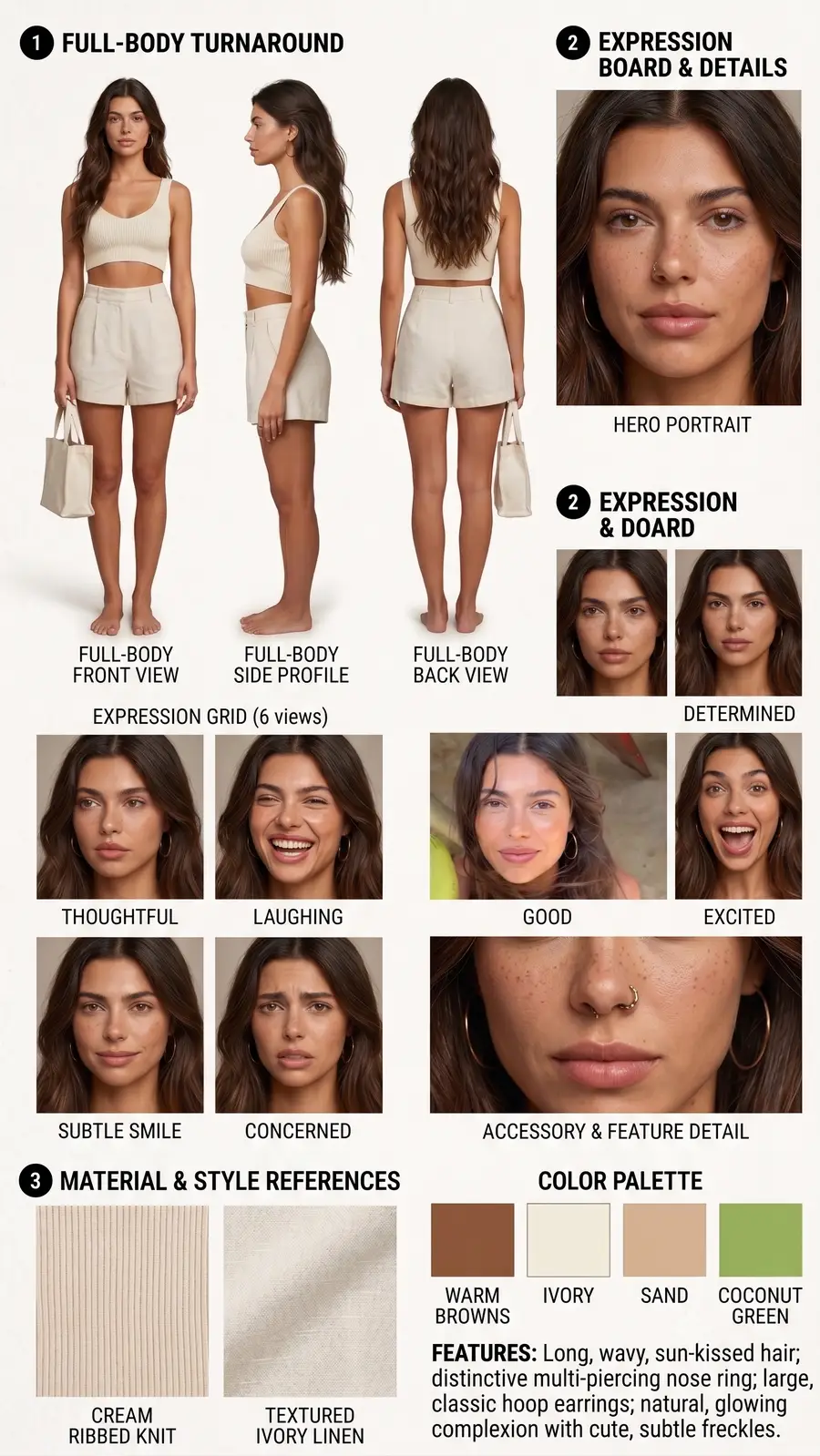
The model is designed, then locked. A character sheet is produced and approved before the first campaign shot: a turnaround, an expression board and a hero portrait. That sheet is the reference everything else is measured against. Every scene generated afterwards is checked back to it, which is how the same freckles, the same jawline and the same hair arrive in a gym at dawn and in a night street set weeks later.
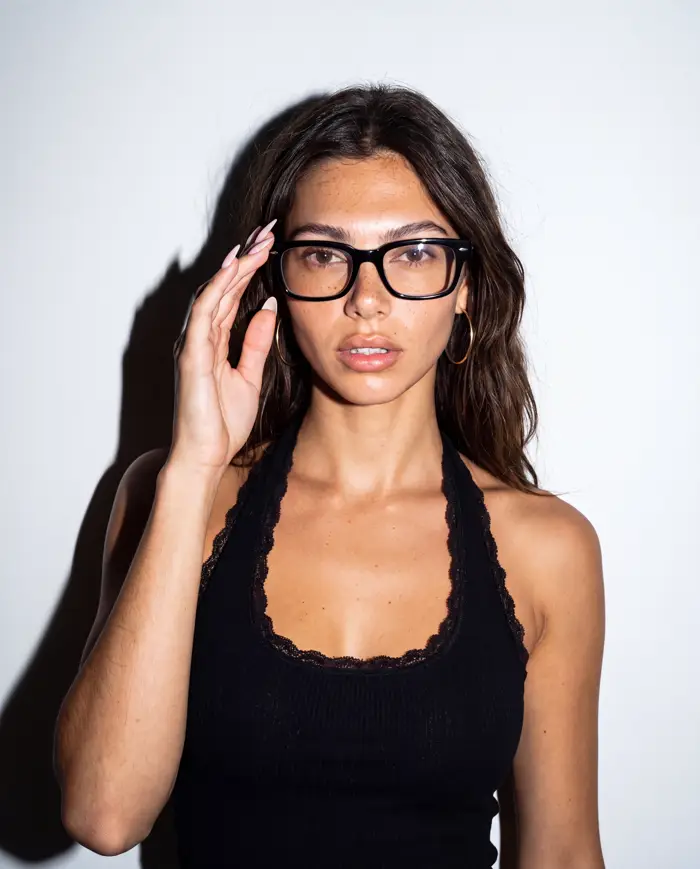
Then she lives inside the buyer’s week. Six lifestyle sets have been built around one model: a gym set, a farmers market set, a home studio set, a bookstore editorial, a flash studio portrait and a streetwear night set. Each one is the customer’s own routine, photographed from the inside, with the product in her hands or on her back rather than sitting on a white background in a separate folder.
One brand, one face, or several. We run influencer pages for single brands. Where the audience genuinely splits, the brand gets more than one model, each built from its own ICP, instead of one model asked to be convincing to two people who have nothing in common.
Every image in The AI Model Program is generated rather than photographed. That is not a detail buried in a footnote, it is the whole mechanism: it is why the same model appears in six unrelated scenes with no crew call, no booking and no reshoot behind any of them. The AI Model Program locks a character sheet with a turnaround, an expression board and a hero portrait before the first campaign shot is produced, and that single step is what makes scene seven cost the same as scene two.
What this page does not carry is campaign performance. The models and thesets have been produced. No engagement, follower or sales figure from a brand running them has been supplied, so none is printed here.
The deliverables
- ICP research on the product: who actually buys it, where they live, what their day looks like
- A model designed to that ICP, photorealistic down to the freckles
- A character sheet locked before the first campaign shot: turnaround, expression board, hero portrait
- Lifestyle photography set inside the buyer's own week: gym, market, bookstore, street
- Product placement in every scene, with the model wearing the shirt or holding the product
- Influencer pages run for a single brand
- More than one model for one brand where the audience genuinely splits
- Video ads built from the same model



The results
- 1
- Designed model carrying every scene in a campaign, identical shot to shotMeasured 2026
- 6
- Lifestyle sets built around that one model: gym, farmers market, home studio, bookstore, studio portrait and streetwear nightMeasured 2026
- 3
- Pieces locked in the character sheet before the first campaign shot: turnaround, expression board, hero portraitMeasured 2026
- 0
- Crew calls, booking days and reshoots behind those six setsMeasured 2026
Why it worked
Because the identity is locked before anything is spent on campaigns.
Most attempts at a designed model go the other way. Somebody generates a good image, likes it, and tries to reproduce the person afterwards from that one picture. It never holds. The face drifts a little in every new scene, and drift is the one flaw an audience notices without being able to name, because recognising faces is the thing people are best at.
Locking the character sheet first inverts the problem. The turnaround, the expression board and the hero portrait define the person once, and every scene after that is a check against a fixed reference rather than a fresh attempt. The scenes get cheaper as they go, and the face gets more familiar rather than less.
The second reason is the order of the research. The ICP comes before the model, so the person is built out of the buyer rather than out of taste. That is why the six sets are a gym, a farmers market, a home studio, a bookstore, a studio portrait and a night street, and not six variations on a studio background. Those are the rooms the buyer is already standing in.
The takeaway
If you sell a physical product and you are choosing between stock imagery and booking a model, the first question is not what a shoot day costs. It is whether you can put the same face in front of the same audience twelve times this year. If the answer is no, the shoot is buying you photographs and not recognition, and photographs are the cheaper half of what you actually want.
And whichever route you take, write the specification down before you buy anything. Age, build, styling, the rooms she belongs in, the expressions she uses. Brands that skip that step end up with a library of images nobody can tell apart from anyone else's.
Questions people actually ask
What is an AI influencer, in plain terms?
A person who does not exist, designed on purpose for one product, and generated rather than photographed. In The AI Model Program that person is specified down to the freckles and locked on a character sheet, so she can be placed in a gym, a market, a bookstore or a night street and still read as the same individual. She is not a filter over a real model and she is not stock imagery, which is a different person in every frame.
Will the same model actually look the same in every photo?
That is what the character sheet is for, and it is why it gets locked before any campaign work starts. It carries a turnaround, an expression board and a hero portrait, and every scene produced afterwards is checked back against it. Six sets have been built around one model so far, from a dawn gym set to a night flash street set, and the face holds across all six.
Can one brand run more than one model?
Yes, and it is the right call when the audience genuinely splits. A brand whose buyers are a twenty-four year old lifter and a forty year old parent is not one audience with one face. In that case each segment gets its own model built from its own ICP, rather than one model asked to be believable to two people who share nothing.
Do we need a product shoot before this can start?
No. The model wears the shirt and holds the product inside the scene, so the product photography and the lifestyle photography come out of the same pass. What is needed first is the buyer research, because the ICP decides who the model is. Designing the person before knowing who is meant to recognise her is how brands end up with a face that photographs well and sells nothing.