
AI marketing for retail and ecommerce brands
A shop with a good reputation and nowhere to buy from is invisible to everybody who did not walk past it. We build the storefront, the reviews and the paid traffic in that order, because reversing it wastes the spend.
Most retail businesses we meet are not short of customers. They are short of a place to send them.
Exotic Snaxx sells rare imported candy out of Harlem Irving Plaza in Harwood Heights, Illinois, and 122 people had already rated the shop 4.9 stars. Every one of them found it by walking past. There was no website and no store, so a reputation that good stopped at the mall doors. We built the Shopify storefront: 2,500 products, browse by category, by country, by viral item and by spice tier, with collect-at-the-mall checkout so the shop keeps the foot traffic it already earns. SEO and blog content sit underneath it, and the social channels give the shop a route to buyers who never walk past the unit.
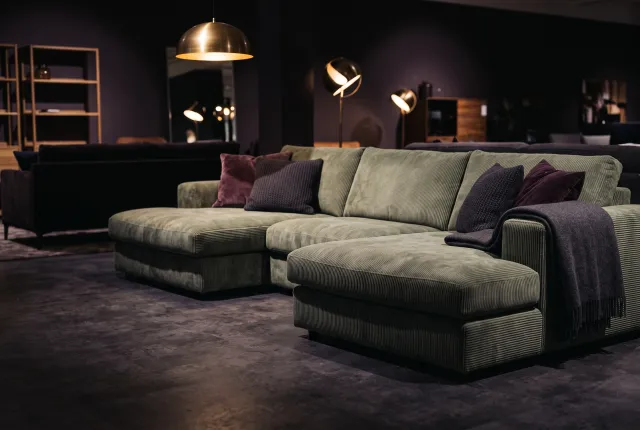
Sofa Co is the same problem solved on our own money. It is Abdul Şenlik’s furniture business rather than a third-party client, which is why the whole pipeline can be shown instead of the part a client is comfortable publishing. The pipeline is built end to end: Meta ad creative, a landing funnel, a CRM, and automated SMS follow-up that books the showroom visit without anybody typing a reply. The showroom runs at 45+ visits a month, and the Google Maps profile went from zero reviews to seventy-plus in three months. The ad creative is produced and none of it is running, so no spend, cost-per-lead or click-through figure appears anywhere on this page.
For a brand that has product but no position, the work starts before the store. ArgenTea sells canned yerba mate into a category it could not see. We profiled six competitors out of their live ad libraries, read duplicate creative counts as a signal of which ads were being scaled, and pulled two adjacent categories in as a reference set. Only then the brand work, the Shopify store and the static ad set, including an angle the reference data said the category had left open.
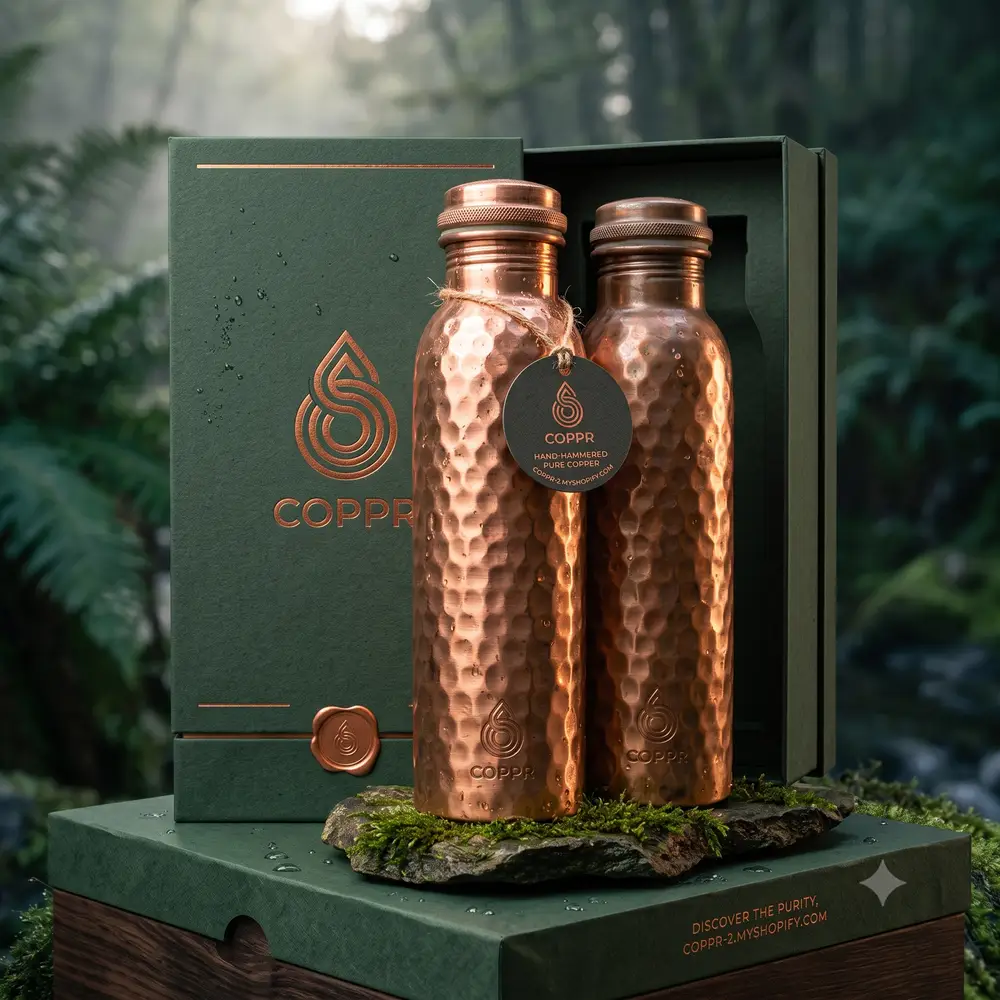
Coppr needed everything at once: three copper drinkware lines, a brand sheet with logotype, palette and type, product photography generated rather than shot, and a store carrying all three lines with a thirteen-section water bottle page, a five-shot gallery and a ritual bundle. Competitor audits and keyword research decided what the store says and what it tries to rank for, instead of the copy being written first and searched for afterwards. The Coppr store currently sits on a staging URL rather than its own domain.
The back office counts as much as the storefront. Our own Etsy product engine finds digital products worth listing, generates the listing mockups, then emails past buyers for a review and upsells them. Three jobs a seller normally does by hand, running without a person in the loop.
One thing to state plainly. Every ad creative produced for these accounts is built and none of it is running, so there is no click-through rate and no cost per lead from any of them to quote. Judge that work on the work.
The order is what decides whether any of it pays. A store that can be read and bought from comes first. Reviews come second, because they compound and cannot be bought back later. Paid traffic comes last, once there is somewhere for it to land.
Questions people actually ask
Do I need a website if my shop already gets walk-in traffic?
Exotic Snaxx had 122 Google reviews at 4.9 stars and no website at all. Every one of those ratings came from somebody who walked past the shop, which means the reputation stopped at the doors of the mall. Walk-in traffic proves the product works. It does not reach anybody who is not already on that street.
How big a job is a Shopify build for a shop with thousands of products?
It depends on how people need to shop it rather than on the product count alone. The Exotic Snaxx store carries 2,500 products with four separate browse paths, by category, by country, by viral item and by spice tier, plus collect-at-the-mall checkout. That is a build, not a theme install, because the browse logic is the part that does the selling.
Can product photography be generated instead of shot in a studio?
Yes, and Coppr and ArgenTea were both done that way, with the shot direction, styling and renders ours and no studio involved. One thing to watch: generated packaging text goes wrong. Two ArgenTea variants carry garbled label text and need a pass before they run, so every render gets read at full size before it goes anywhere.
Should a store spend on ads before or after fixing the catalogue?
After. Advertising into a store a search engine cannot read, or one with no reviews next to the buy button, buys clicks that land on nothing. The catalogue and the reviews are what make the traffic worth paying for.
The work behind it
 Measured
  Live, call it
  Built on spec
  Built on spec
  Built on spec